Sungtak
Hong
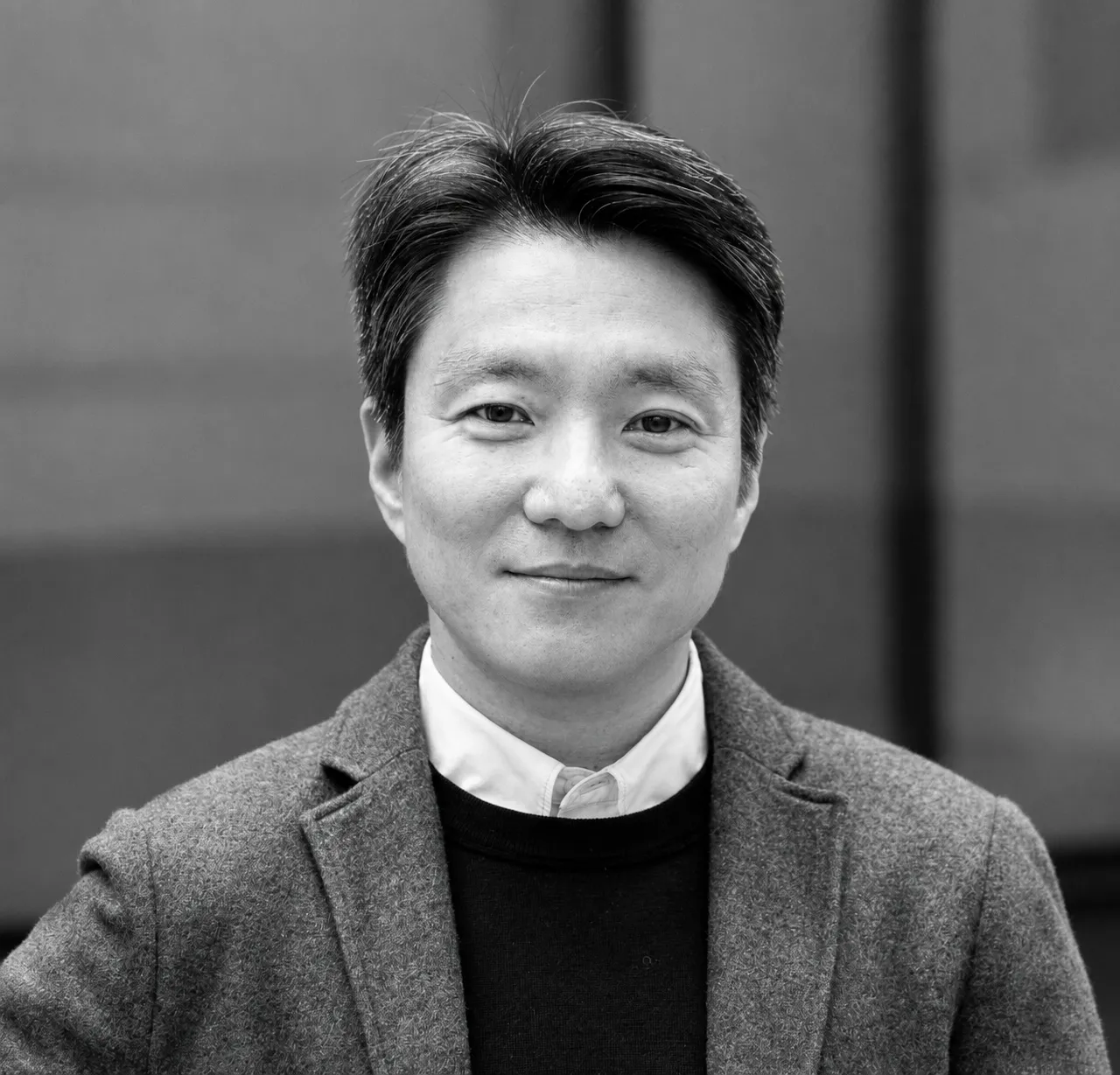
Ph.D. in Marketing from London Business School Università degli studi di Bologna
Sungtak Hong earned his Ph.D. in Marketing from London Business School and was previously an Assistant Professor of Marketing at Bocconi University. His research applies economic and econometric methods to marketing questions relevant to business practice and public policy, focusing on: (1) firms’ competition in product and service attributes and its effects on consumer choice; (2) measurement of competitive environments using unstructured data such as online reviews; and (3) empirical analysis of supply and demand in two-sided markets.
He uses statistical, econometric, and machine learning techniques to identify causal impacts from both secondary and primary data (e.g., eye-tracking lab studies), and more recently by conducting field experiments in collaboration with firms. His work appears in journals including the Journal of Marketing and Marketing Letters.
COURSES
Marketing activity is the core of operating business. It provides the managerial focus for interfacing with customers and the source of intelligence about customers, competitors, and general environment.
In order to make effective strategic decisions, managers must identify and measure consumers’ needs and wants, assess the competitive environment, select the most appropriate customer targets and then develop marketing programs that satisfy consumers’ needs better than the competition. Further, marketing focuses on the long-run relationship of a company to its customers as well as short-run
sales and profits.
The second part of the course focuses on the decisions that managers make and the tools that they use to support an effective marketing strategy. The attraction and retention of profitable customers must involve consideration of the product or service being offered, the way in which the product is sold and distributed, how pricing is set and structured, and how the value of the offering is communicated.
Food and Wine
Supercars, Superbikes and Motorsports
AI and Manufacturing
Sustainability and Innovation