Marco
Bortolini
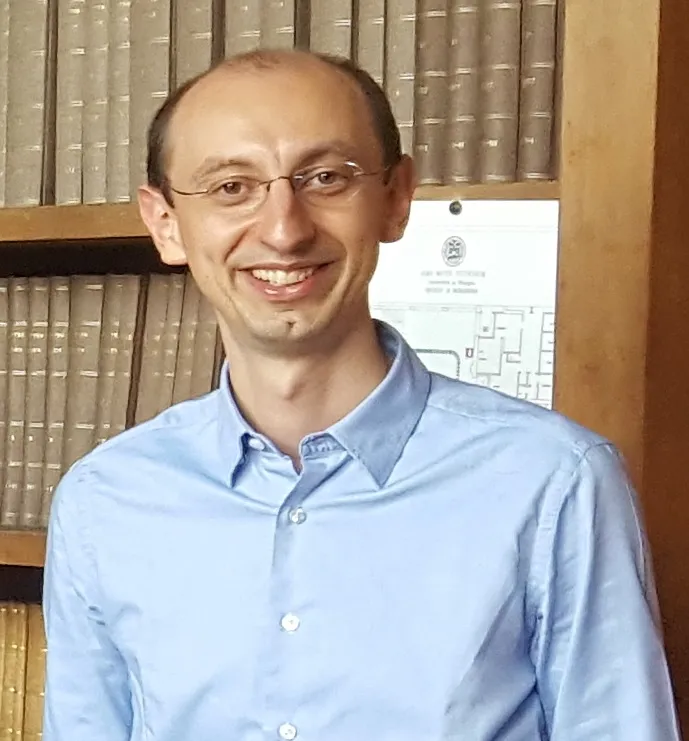
ITALY Associate Professor of Operations and Supply Chain Management University of Bologna
Marco Bortolini, Ph.D., is Associate Professor of Operations and Supply Chain Management at the University of Bologna – Department of Industrial Engineering. He is active with research, teaching and technology transfer activities in the fields of sustainable production and distribution, advanced manufacturing and operations, supply chain management and 5.0 digital transition. In these areas he has got partnerships with international universities, research centers and consortia, further supporting companies and industry in innovative R&D projects.
His education and background are in the field of Engineering Management, further defending a Ph.D. thesis in Industrial Engineering, at the University of Padua in 2013, on the renewable energies’ penetration in the global energy mix at macro and micro-scales.
In the BBS Faculty since 2021, he is active in Global, Professional, Hybrid and Executive masters and custom programs having courses mainly in the operations, supply chain and tech. transition fields.
He is member of the scientific committees of national and international boards active in the teaching, research and dissemination of operations’, manufacturing and supply chain management culture, further receiving research, teaching and paper awards for his activities.
COURSES
Alta flessibilità, domanda dinamica, crescente personalizzazione, elevati standard di qualità, piccoli lotti e breve ciclo di vita sono i fattori chiave dell’era dell’Industria 4.0. I sistemi innovativi e flessibili di produzione e assemblaggio (FMS e FAS) devono combinare questi fattori, unendo produttività e versatilità, qualità e adattabilità. In questo contesto, le macchine di produzione ad alta velocità, i dispositivi di movimentazione robotizzata, i sistemi a guida automatica (AGV) e gli operatori umani sono collegati e devono agire in sinergicamente.
Il corso si propone di esplorare un panel coordinato di: (1) metodi di progettazione, (2) strategie di supporto e (3) approcci quantitativi per aiutare gli operatori dell’Industria 4.0 nella gestione tattica e operativa di sistemi di produzione innovativi.